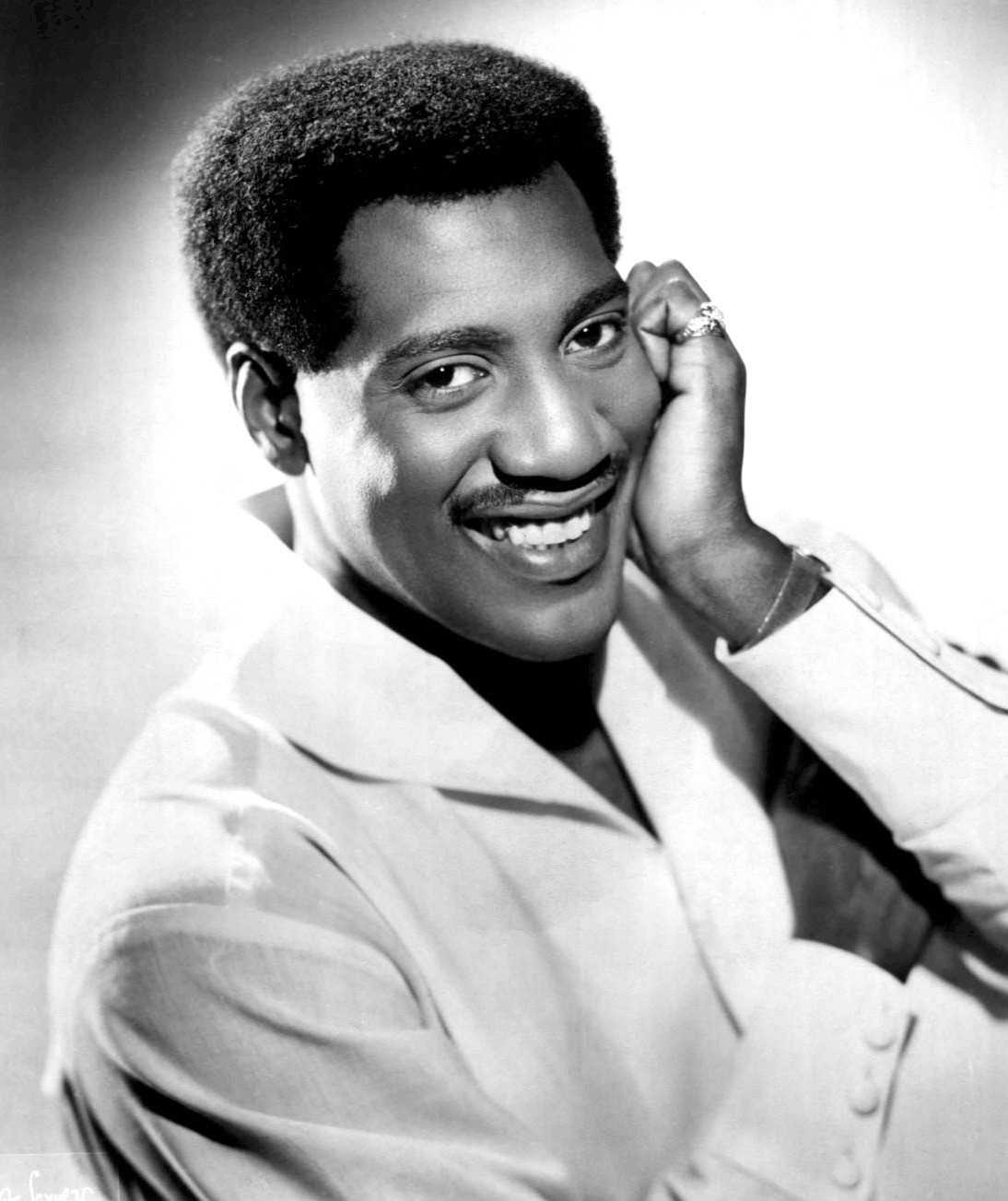
The Tragic 1967 Plane Crash That Killed Otis Redding: A Soul Legend's Untimely End
The world of music suffered an immeasurable loss on December 10, 1967, when the vibrant career of Otis Redding, the undisputed “Crown Prince of Soul,” was tragically cut short. Just days after recording what would become his signature hit, "(Sittin' On) The Dock of the Bay," the 26-year-old artist and several members of his band perished in a devastating plane crash. This article delves into the life, meteoric rise, and the heartbreaking circumstances surrounding Otis Redding's death, exploring the impact of his brief but brilliant legacy that continues to resonate globally.
The Ascent of a Soul Icon: Otis Redding's Meteoric Rise
Born Otis Ray Redding Jr. on September 9, 1941, in Dawson, Georgia, his humble beginnings as one of six children to a poor sharecropper family laid the groundwork for a deeply soulful artistry. His family's move to Macon, Georgia, when he was a toddler, placed him firmly in the cradle of gospel and rhythm and blues. It was here that young Otis began to cultivate his musical talents, learning to play the guitar, piano, and drums, immersing himself in the sounds of legends like Sam Cooke and Little Richard.
Redding’s undeniable vocal prowess soon became evident. As a teenager, he captivated audiences at a weekly talent show hosted by local DJ Hamp Swain, consistently winning the top prize for 15 weeks straight. This raw talent quickly caught the eye of local bands, leading him to perform with Pat T. Cake and the Mighty Panthers, and later, Little Richard’s former band, The Upsetters.
By 1960, Redding was driven by bigger aspirations. He ventured to Los Angeles, recorded his initial singles, and eventually secured a pivotal contract with Stax Records. This partnership proved to be a launchpad for his career, yielding immediate hits such as "These Arms of Mine" and the iconic "Try a Little Tenderness." Beyond his electrifying performances, Redding was also a prolific songwriter, penning enduring classics like "Respect," which would later be famously covered and made a global anthem by Aretha Franklin. Amidst his burgeoning career, he built a family, marrying Zelma Atwood in 1961 and welcoming three children, grounding his extraordinary professional life with personal stability.
The mid-1960s marked a significant turning point. After primarily performing for Black audiences, Redding embarked on a successful European tour in the spring of 1967. His electrifying performance at California’s Monterey Pop Festival that June was a watershed moment. Before a largely white audience, he delivered a soul-stirstirring set that cemented his crossover appeal and signaled his imminent breakthrough into mainstream stardom. The stage was set for global recognition, yet, tragically, fate had other plans.
A Creative Zenith: "(Sittin' On) The Dock of the Bay" and Final Days
The closing months of 1967 saw Otis Redding at the peak of his creative powers, exploring new sonic territories. His music, while always deeply soulful, began to evolve, incorporating broader influences. This artistic expansion culminated in the recording session on December 7, 1967, for a track that would transcend genres and generations: "(Sittin' On) The Dock of the Bay." Co-written with guitarist Steve Cropper, the song featured a mellower, more reflective sound, quite distinct from his earlier, high-energy R&B and soul hits. Its poignant lyrics and Redding's famously whistling outro conveyed a sense of longing and introspection, hinting at a new direction for the prolific artist.
The recording was completed, but Redding would never live to see its monumental success. A mere three days later, his life, and the promise of that new musical direction, would be abruptly extinguished. The irony is stark: he had just laid down his greatest track, a song that epitomized growth and future potential, only for that future to be tragically snatched away. The world would soon embrace "Dock of the Bay," but the man behind the masterpiece would be gone. To learn more about the song's lasting impact, consider reading
Otis Redding's Posthumous #1 Hit: The Dock of the Bay Legacy.
The Fateful Flight: December 10, 1967
The morning of December 10, 1967, was a cold, wintry day. Otis Redding and his backing band, The Bar-Kays, were en route from Cleveland, Ohio, to Madison, Wisconsin, for a scheduled performance at the Factory nightclub. Redding owned a twin-engine Beechcraft H18 plane, and despite adverse weather conditions, they departed.
As the plane approached its destination, Madison's Truax Field, over Lake Monona, tragedy struck. At approximately 3:25 PM, the aircraft, carrying Otis Redding, his pilot, and six members of The Bar-Kays, crashed into the icy waters of the lake. Reports indicated poor visibility and heavy rain as contributing factors to the aviation accident.
The catastrophic impact claimed the lives of most on board. Otis Redding, just 26 years old, died instantly. Four members of The Bar-Kays — Jimmy King, Phalon Jones, Carl Cunningham, and Ronnie Caldwell — also perished. The pilot, Richard Fraser, was also among the fatalities. Miraculously, one band member, trumpet player Ben Cauley, survived the crash. He was found clinging to a seat cushion amidst the debris, suffering from hypothermia and shock, the sole survivor of the devastating incident. The suddenness and sheer scale of the loss sent shockwaves through the music industry and heartbroken fans.
The discovery of the wreckage and the subsequent identification of the bodies confirmed the worst fears. The investigation pointed to mechanical failure combined with the harsh weather conditions as likely causes. The event marked one of the most tragic days in soul music history, forever linking the memory of Otis Redding's death with the chilling waters of Lake Monona.
The Echo of a Legend: Otis Redding's Enduring Legacy
Despite the profound grief following Otis Redding's death, his music, much like his spirit, refused to be silenced. Just a month after the crash, "(Sittin' On) The Dock of the Bay" was released to the world. It soared to the top of the charts, becoming a number one hit and making history as the first posthumous number one single in U.S. history. This success was a bittersweet testament to his genius and the raw emotion he poured into every note.
Redding’s unique vocal style — a blend of gospel fervor, blues grit, and an unmatched emotional delivery — had already set him apart. He possessed a rare ability to convey deep vulnerability and immense power simultaneously, making his songs profoundly relatable. His influence on subsequent generations of artists across various genres is undeniable, shaping the landscape of soul, R&B, and beyond. He taught us that true soul music is not just about vocal acrobatics, but about feeling every word, every phrase, with an intensity that resonates deep within the listener.
The title "Crown Prince of Soul" is no mere epithet; it's a recognition of his regal talent and commanding presence. Even decades after his passing, his music continues to find new audiences, proving its timeless appeal. The tragedy of his untimely departure at such a young age leaves us forever pondering what more he could have achieved, what other musical innovations he might have brought forth. Yet, the body of work he left behind, though brief, is monumental.
Otis Redding's death was a global tragedy, but his legacy lives on, a testament to a voice that touched millions and continues to inspire. His story is a poignant reminder of the fragility of life and the enduring power of art. For a deeper dive into the specifics of his tragically short life and monumental career, read
The Brief, Brilliant Life & Tragic Death of Otis Redding.
Conclusion
The 1967 plane crash that led to Otis Redding's death remains one of music's most heart-wrenching stories. It marked the sudden end of a career that was just reaching its zenith, depriving the world of countless potential masterpieces. Yet, in his short 26 years, Otis Redding cemented his place as an immortal figure in music history. His voice, laden with raw emotion and unparalleled sincerity, continues to move, inspire, and remind us of the incredible talent that was, and still is, the "Crown Prince of Soul." His music endures, a powerful echo across time, ensuring that his legacy will never fade.