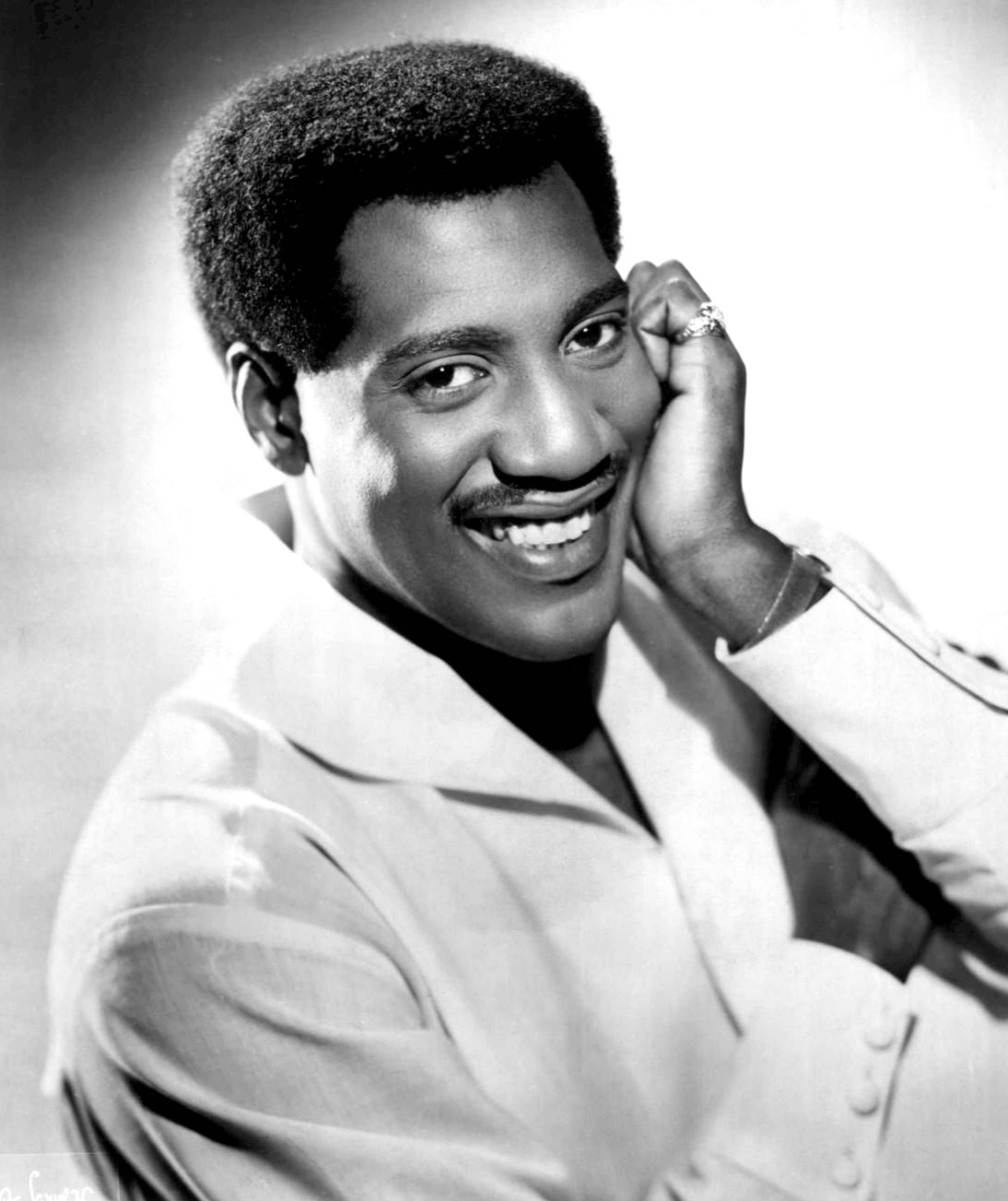
The name Otis Redding conjures images of raw emotion, unparalleled vocal power, and a soulfulness that transcended genres. Often hailed as the "Crown Prince of Soul," Redding's meteoric rise to fame was as swift as it was brilliant, yet his story remains forever marked by an untimely and heartbreaking end. At just 26 years old, and mere days after recording what would become his most iconic song, the world lost a musical titan. The circumstances surrounding Otis Redding death have etched his final moments into the annals of music history, leaving behind a legacy that continues to captivate and inspire decades later.
The Genesis of a Soul Icon: Otis Redding's Early Life and Musical Roots
Born Otis Ray Redding Jr. on September 9, 1941, in Dawson, Georgia, his beginnings were humble. The son of a sharecropper, his family relocated to the thriving musical hub of Macon, Georgia, when Otis was just five. It was in Macon's housing projects that Redding's prodigious talent began to blossom. Immersing himself in the sounds of gospel, R&B, and the burgeoning rock and roll of legends like Sam Cooke and Little Richard, he quickly picked up guitar, piano, and drums, displaying an innate connection to music that belied his age.
As a teenager, Redding became a local sensation, dominating a weekly talent show hosted by influential DJ Hamp Swain. His rich, resonant vocals and magnetic stage presence earned him the top prize for an astonishing 15 consecutive weeks, a testament to his raw, undeniable talent. This local acclaim led to opportunities with regional bands like Pat T. Cake and the Mighty Panthers, and later, a stint with Little Richard's former backing band, The Upsetters. It was during these formative years that Redding honed his performance skills and began to cultivate the distinctive vocal style that would soon make him a global phenomenon.
His big break came somewhat serendipitously. In 1960, after a period in Los Angeles, Redding returned to Georgia and befriended guitarist Johnny Jenkins. While serving as Jenkins' driver and occasional vocalist for his band, The Pinetoppers, Redding was given an impromptu chance to record two songs during a session at Stax Records in Memphis, Tennessee. One of those tracks, "These Arms of Mine," became his debut single and a modest hit, leading to a pivotal contract with Stax. This moment not only launched his solo career but also introduced the world to a voice unlike any other, laying the groundwork for his ascent as the definitive voice of soul music.
From Regional Talent to International Stardom: The Rise of the Crown Prince
With Stax Records, Otis Redding found his creative home. The label, known for its authentic, raw sound, provided the perfect backdrop for his emotive delivery. Hits like "These Arms of Mine" and "Try a Little Tenderness" quickly established him as a force in R&B. Beyond his electrifying vocals, Redding was also a gifted songwriter. He penned numerous tracks, including the globally renowned "Respect," which, while later famously covered and made an anthem by Aretha Franklin, originated as Redding's powerful statement of demand and admiration. His ability to craft songs that resonated deeply with listeners showcased his dual talent as both a performer and a creative architect.
Despite his rapidly growing fame, Redding remained a grounded family man, married to Zelma Atwood since 1961, and a devoted father to their three children. This balance between his personal life and burgeoning career provided a unique authenticity to his artistry.
The year 1967 marked a crucial turning point. A highly successful European tour with the Stax/Volt Revue solidified his international appeal. However, it was his electrifying performance at the Monterey International Pop Festival in June 1967 that truly shattered barriers. Performing for a largely white, counter-culture audience who were primarily unfamiliar with his work, Redding delivered a performance described as volcanic. His passionate, commanding stage presence and incomparable vocal delivery captivated the crowd, exposing soul music to a broader mainstream audience and cementing his status as a legitimate crossover star. This concert was a pivotal moment, signaling a new era of unprecedented success for the "Crown Prince of Soul." Tragically, this pinnacle of his career would precede his death by mere months.
The Pinnacle and Premonition: "(Sittin' On) The Dock of the Bay" and Final Days
In November 1967, just a few months after his triumphant performance at Monterey Pop, Otis Redding began recording what would become his most iconic and defining track: "(Sittin' On) The Dock of the Bay." The inspiration for the song reportedly came during his stay on a houseboat in Sausalito, California, where he found himself mesmerized by the ships passing through the Golden Gate. Co-written with guitarist Steve Cropper, the song represented a significant artistic departure for Redding.
Unlike his typical high-energy soul ballads, "Dock of the Bay" embraced a more mellow, introspective, and even folk-influenced sound. It showcased a softer, more reflective side of Redding's artistry, highlighting his versatility and his willingness to experiment beyond the confines of traditional soul. The track was nearly complete on December 7, 1967, with its memorable whistling outro initially intended as a placeholder for lyrics Redding planned to add later. This creative risk, this move into a new sonic territory, demonstrated an artist unafraid to evolve and explore, hinting at a future musical direction that would unfortunately never be fully realized.
The Tragic End: Otis Redding Death and the Fateful Flight
Just three days after wrapping up the recording of "(Sittin' On) The Dock of the Bay," the music world suffered an irreparable loss. On December 10, 1967, Otis Redding and four members of his backing band, The Bar-Kays, boarded his private Beechcraft H18 twin-engine plane. They were flying from Cleveland to Madison, Wisconsin, for a scheduled performance at the Factory nightclub.
The weather that day was notoriously treacherous. Reports indicated heavy rain and dense fog, creating hazardous flying conditions. As the plane approached Truax Field in Madison, it crashed into the frigid waters of Lake Monona, just a few miles from its destination. The impact was catastrophic. Of the eight people on board, only one survived: Ben Cauley, the trumpeter for The Bar-Kays. He miraculously lived, later recounting the moments leading up to the crash, but the rest, including Redding, were killed instantly. The news of Otis Redding death sent shockwaves across the globe, plunging fans and the music industry into profound grief.
The exact cause of the crash was never definitively determined, though poor weather and mechanical failure due to age were considered contributing factors. The sheer suddenness of the tragedy, particularly coming at the height of his creative powers and on the cusp of his greatest commercial success, compounded the sense of loss. To delve deeper into the specifics of this devastating incident, read more about The Tragic 1967 Plane Crash That Killed Otis Redding.
An Enduring Legacy: The Echo of Otis Redding's Soul
In the aftermath of Otis Redding death, the world braced for the release of "(Sittin' On) The Dock of the Bay." Released posthumously in January 1968, the song swiftly ascended the charts, becoming a monumental success. It was the first posthumous number one single in U.S. history, a bittersweet triumph that solidified his legend even as it mourned his absence. The whistling outro, originally a temporary addition, became an iconic, haunting farewell, forever etched into the fabric of popular music.
Redding's passing left a gaping void in soul music, but his impact only grew stronger. His unique vocal style, a blend of gospel fervor, blues grit, and raw emotional vulnerability, continues to influence countless artists across genres. He didn't just sing songs; he poured his entire being into them, creating timeless pieces that resonate with universal human experiences of love, longing, and reflection. He remains the undisputed "Crown Prince of Soul," not just for his powerful voice, but for the depth of his artistry and the purity of his spirit.
His story serves as a poignant reminder of the fragility of life and the enduring power of art. Though his career was tragically cut short, Otis Redding achieved more in 26 years than many do in a lifetime. His music continues to be discovered and cherished by new generations, ensuring that his brilliant, brief life, and the sorrowful circumstances of his death, will never be forgotten. To understand the profound and lasting impact of his most famous song, explore Otis Redding's Posthumous #1 Hit: The Dock of the Bay Legacy.
The brief, brilliant life of Otis Redding was a testament to raw talent, unwavering passion, and an innate ability to connect deeply with the human experience through song. His tragic death at such a young age robbed the world of countless future masterpieces and robbed him of witnessing the full bloom of his artistic vision. Yet, the music he left behind, particularly the iconic "(Sittin' On) The Dock of the Bay," ensures his spirit lives on, a timeless voice that continues to soothe, inspire, and move millions, forever cementing his place as an immortal legend of soul.